

The Meaning Behind the Palette: How to Choose Your Wedding Colors with Intention
Choosing your wedding color palette is about far more than coordinating bridesmaids’ dresses and florals. The colors you select set the emotional tone for your entire celebration. They shape the atmosphere of your ceremony, influence the energy of your reception, and reflect the heart of your relationship. When chosen intentionally, your wedding colors can also live on long after the big day—through custom art and décor that carries your story into your home.
Understanding the Psychology Behind Wedding Colors
Color has a powerful psychological effect. Warm tones like red, orange, and yellow create energy, passion, and excitement. Cool tones such as blue, green, and lavender bring calmness, trust, and serenity. By understanding how different hues make people feel, you can design a wedding atmosphere that aligns with your vision—whether that’s romantic and intimate, bold and dramatic, or light and joyful.
Cultural meaning also plays a role. In Western traditions, white represents purity and new beginnings, while in other cultures it can symbolize mourning. Red is associated with luck and prosperity in Chinese tradition but can represent passion or intensity elsewhere. Being mindful of your families’ backgrounds ensures your palette feels meaningful and inclusive.
That said, personal associations matter most. If a certain shade reminds you of your first trip together, your favorite sunset, or a cherished memory, that connection carries more weight than traditional symbolism ever could.
Classic Wedding Colors and Their Meanings
Red evokes passion, strength, and romance. It creates a dramatic, unforgettable atmosphere—especially beautiful in fall or winter weddings.
Blush pink symbolizes tenderness and sweet, gentle love. It feels soft, romantic, and timeless, pairing effortlessly with gold, ivory, or sage.
White and ivory represent fresh beginnings and simplicity. These neutrals create elegant foundations that allow other design elements to shine.
Green reflects growth, harmony, and renewal. From deep emerald to soft sage, it’s ideal for garden ceremonies and nature-inspired celebrations.
Blue symbolizes loyalty, calm, and trust. Navy brings sophistication, while lighter blues feel airy and coastal.
Lavender and purple suggest creativity, romance, and a touch of luxury—perfect for spring weddings or vineyard venues.
Choosing Colors by Season
Spring weddings shine with soft pastels or vibrant floral tones that mirror blooming gardens.
Summer palettes can lean tropical and bold or classic and nautical, inspired by sun and sea.
Fall celebrations glow with jewel tones and earthy hues that reflect autumn’s richness.
Winter weddings often embrace deep, moody colors or metallic accents that feel festive and elegant.
Creating a Cohesive Color Story
A simple approach is the three-color rule: one dominant shade, one supporting color, and one accent. This creates balance and visual harmony across invitations, florals, attire, and décor.
Monochromatic palettes—using different shades of one color—feel refined and timeless. Complementary colors (opposites on the color wheel) create bold, memorable contrast for couples who want something unique.
Bringing Your Wedding Colors Into Your Home
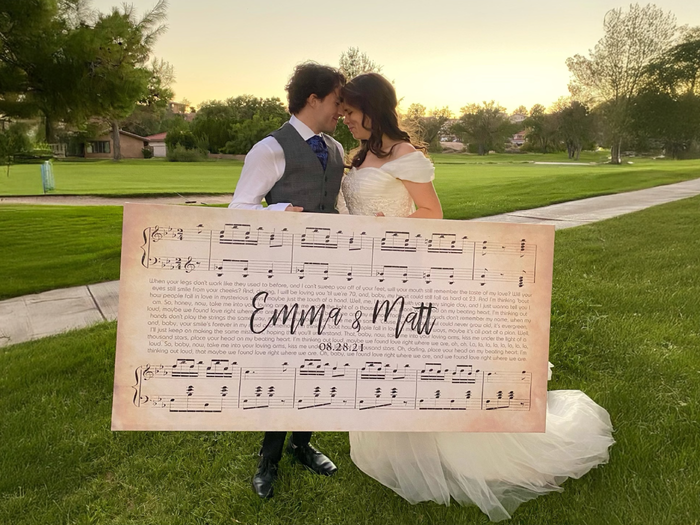
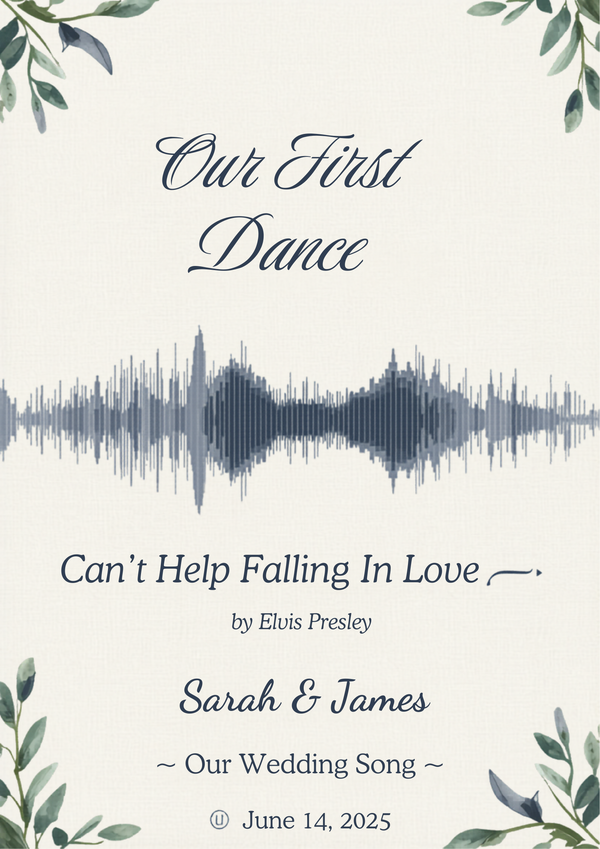
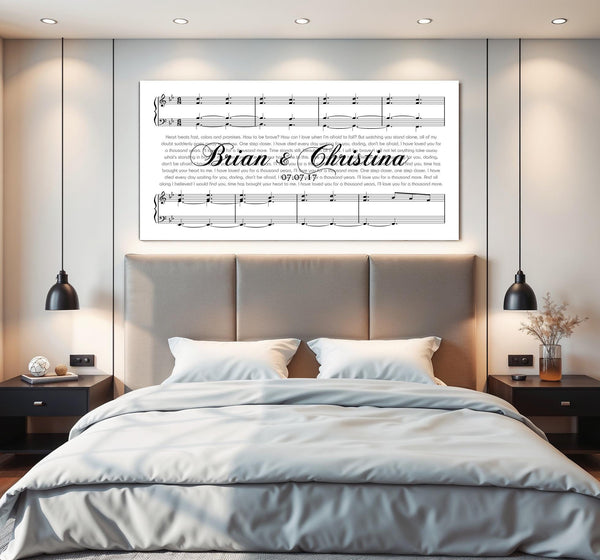
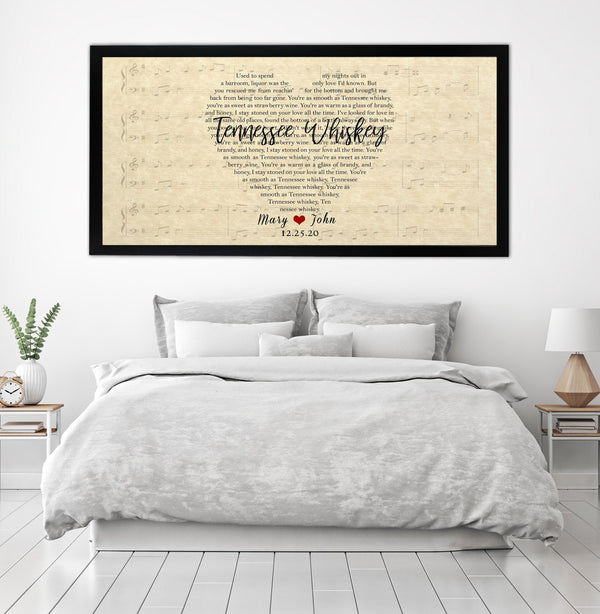
Your wedding palette doesn’t have to end with the reception. Incorporating those same hues into custom canvas art allows you to relive the feeling of your day every time you walk into a room. Personalized prints featuring meaningful lyrics, quotes, or your wedding date in your chosen colors turn your celebration into lasting décor.
When selecting artwork, consider how your colors photograph and print. Rich, saturated tones often translate beautifully to canvas, while lighter pastels may benefit from subtle enhancement to maintain their softness.
Practical Tips Before You Decide
Gather fabric swatches, paint samples, and floral inspirations to see how colors interact in real life. Visit your venue at the time of day your wedding will take place to observe lighting. Discuss your palette with your photographer to ensure your hues will capture beautifully in photos you’ll treasure forever.
Ultimately, the best wedding colors are the ones that feel like you. When you combine emotional meaning, seasonality, and thoughtful design, your palette becomes more than décor—it becomes a reflection of your love story.