
Best Personalized Anniversary Gifts - Amazon Alternatives 2026

By the AmourPrint editorial team · Last updated May 28, 2026 · ~2,050 words
The honest reason to buy a personalized anniversary gift somewhere other than Amazon in 2026 isn't that Amazon is bad — it's that Amazon's marketplace structure (third-party sellers, opaque production sources, standardized listing templates) systematically rewards generic, fast-shipping personalized items over the specialist studios that produce genuinely meaningful work, which means the best alternatives are the small to mid-size personalization specialists who own their production and proofing process end-to-end.
Amazon has been a default starting point for online gift buying for two decades, and the marketplace has expanded into personalization through both first-party services (Amazon Custom) and third-party sellers using fulfillment-by-Amazon. The result is millions of personalized listings with two-day shipping, four-star averages, and listing photos that look professional. For commodity items — a name on a phone case, initials on a notebook, a date on a keychain — the experience works fine.
Where the Amazon model struggles is in the gift categories where craft, proofing, and substrate matter most: song-lyric canvases, custom illustrations, hand-engraved pieces, leather-bound memory books, and large-format wall art for milestone anniversaries. The same marketplace dynamics that make Amazon great for commodity personalization — standardized templates, automated production, no human proofing step — work against quality in these categories. The independent specialists who do this work well are not on Amazon, or they're on Amazon as a secondary sales channel with reduced quality controls to fit the platform's requirements.
This guide walks through what specifically goes wrong when you buy personalized anniversary gifts on Amazon, names the gift categories where it doesn't matter and the categories where it does, and gives a framework for finding specialist vendors outside the marketplace.
What Amazon's marketplace structure does to personalized gifts
Five structural pressures shape personalized gift quality on Amazon. The first is the standardized listing template. Every Amazon listing follows the same format — photo, title, bullet points, A+ content, reviews. This format works well for commodity products where the buyer needs a few key specs (size, color, compatibility), but it doesn't accommodate the longer-form trust-building that personalized gift buyers usually want — the story of the studio, the production process, the proofing protocol, the artist's background. Without space for that content, listings default to volume signals (review count, star average) that aren't reliable in personalization.
The second pressure is the two-day Prime shipping expectation. To qualify for Prime, sellers must commit to shipping windows that often don't accommodate human proofing. The result is that Prime-eligible personalized listings tend to skip the proof step or compress it to a few hours, which means typos and formatting errors that should have been caught reach production. Buyers used to commodity Prime shipping don't always realize that personalization needs more lead time than commodity does.
The third pressure is the review system. Amazon reviews are shown in aggregate across all variants of a product, which means a five-star generic version of a personalized item averages out a one-star wedding-canvas version. Buyers see a 4.5-star average and assume their specific configuration is well-reviewed; in reality, the configuration they want may have only a handful of reviews and a much lower average. The platform doesn't separate these well.
The fourth pressure is the seller anonymity. Amazon listings often hide which actual seller will produce the item. A single listing can be fulfilled by different sellers depending on inventory routing, which means buyer experience varies between orders for the same listing. Compare this to ordering directly from a studio's own website, where you know exactly who is producing the piece.
The fifth pressure is the price competition. The marketplace structure rewards the lowest-priced seller in any category, which pushes sellers to reduce production costs. For commodity items, this is a feature — the buyer gets a working product cheaper. For personalized gifts, it's a bug — the cheapest seller is typically using cheaper substrates, cheaper inks, and skipping the proofing step, all of which directly degrade the product the buyer actually receives.
Categories where Amazon is fine
Before naming alternatives, it's worth being honest about which gift categories don't suffer from these pressures. Amazon is a perfectly reasonable place to buy a name-engraved leather wallet, a personalized phone case, a custom jigsaw puzzle of a photo, a monogrammed travel bag, or a printed t-shirt with a name and date. These are commodity personalization — the product is essentially a stock item with a name added, the production is highly standardized, and the proofing step matters less because the personalization is a small element rather than the central feature of the design.
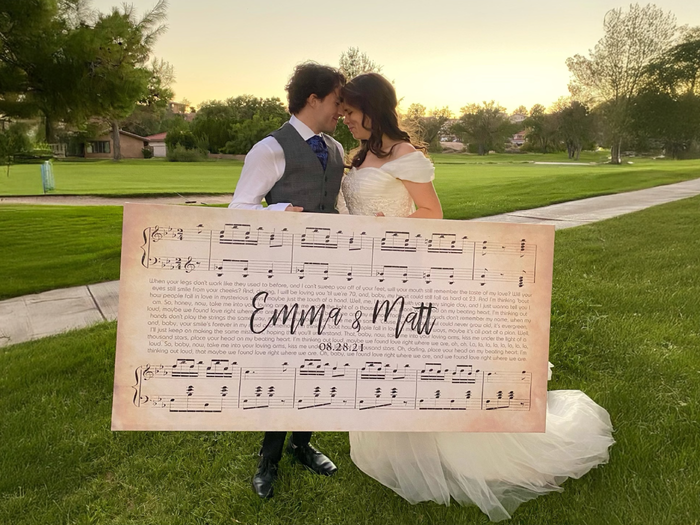
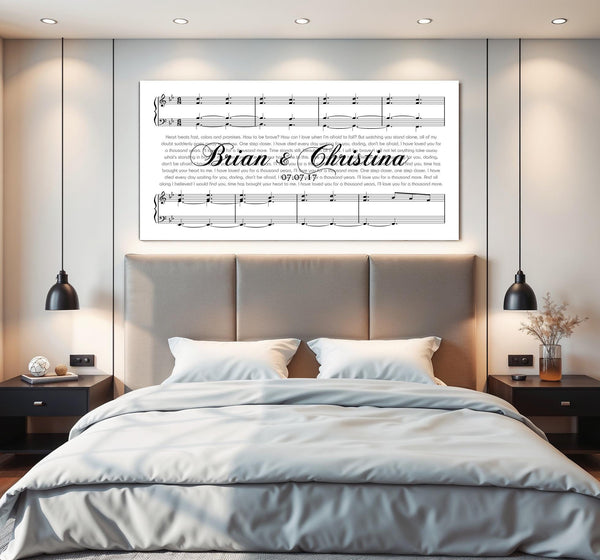
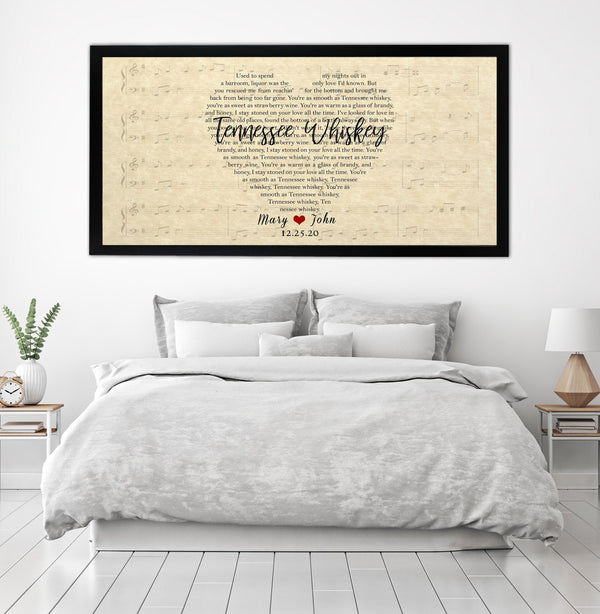
The categories where Amazon struggles are the ones where personalization is the whole point: song-lyric canvases (typography, composition, and substrate are everything), custom illustrations (artist skill is everything), large-format wall art (substrate quality is visible from across a room), hand-engraved metal pieces (the difference between hand and laser is visible), and leather-bound photo books (binding and paper quality determine whether the book survives a decade). These are the categories worth seeking out specialists for.
How to find specialist alternatives
The structure of the specialist personalized gift market is roughly three tiers: direct-to-consumer studios (own website, own production), platform specialists (Etsy, smaller artisan platforms), and independent artists (Instagram-discoverable, commission-based). Each tier has a finding strategy.
For direct-to-consumer studios, the discovery channels are Google search (for category terms like "personalized song lyric canvas" or "custom wedding venue illustration"), Pinterest (where studios often have boards of finished customer work), and editorial roundups in wedding and gift media. Once you've found a candidate studio, the vetting checklist is straightforward: a physical address on the About page, third-party reviews on Loox or Trustpilot with photo uploads, active social media with tagged customer content, a clear proofing process, and a specific return policy. Studios that pass all five checks are worth ordering from. Examples in this tier include AmourPrint and a number of family-owned personalized canvas studios that operate primarily through their own websites.
For platform specialists, Etsy is the dominant marketplace, but Etsy quality varies as widely as Amazon's. The vetting checks are different: look at the seller's individual profile, not just the listing. A seller with hundreds of five-star reviews specifically for the category you want (not aggregated across multiple categories), active recent shipping (last 30 days), and a clear personalization workflow described in the listing is operating closer to a specialist studio than a dropshipper. Avoid Etsy sellers with vague "design will be sent for approval" language that buries the proofing step, listings with stock photos that match other sellers exactly (likely the same dropshipper supplier), and listings priced significantly below the category average (almost always a dropship with no proofing).
For independent artists, Instagram is the primary discovery channel. Search hashtags like #weddingvenueillustration, #personalizedweddingart, or #customsoundwaveart and browse for artists whose style matches what you want. Independent artists typically work on commission with longer lead times (4 to 12 weeks) and higher prices ($300 to $1,500), but the result is a one-of-a-kind piece with named authorship. This tier is the right fit for milestone anniversaries (25th, 50th) where a commissioned piece justifies the investment.
Comparison: Amazon vs specialist by gift category
The ranking below pairs each major personalized anniversary gift category with the best vendor type, based on where the category's quality requirements are best met.
- Song-lyric canvas: Specialist studio. The combination of typography, composition, substrate quality, and lyric licensing means a specialist almost always outperforms a marketplace listing. Specialist studios also handle the music rights licensing (typically through Musixmatch) that marketplace sellers often skip.
- Custom wedding venue illustration: Independent artist or specialist studio. Hand-illustrated work requires artist skill that doesn't translate to marketplace production. Look for artists who post in-progress photos of their work.
- Large-format wall art (24x36+): Specialist studio. The substrate and frame quality differences are visible from across a room at this size. Marketplace listings in this size category tend to use the lowest-grade canvas to hit price points.
- Hand-engraved metal piece: Independent metalsmith or specialist engraving studio. Hand-engraving versus laser-engraving is visibly different to anyone who looks closely. Most marketplace "engraved" listings are laser, often on plated rather than solid metal.
- Leather-bound photo book: Specialist studio. Binding quality, paper weight, and cover material determine whether the book survives a decade of handling. Marketplace photo books are typically machine-bound with thinner pages.
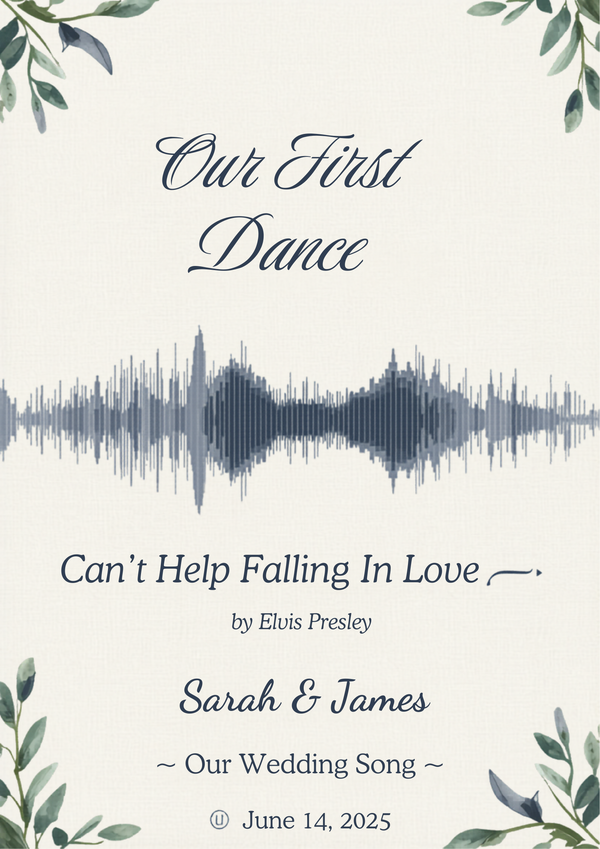
- Personalized soundwave art: Specialist studio. The waveform generation, audio handling, and print quality all matter; specialist studios handle the full pipeline, while marketplace sellers often source the waveform from a stock service.
- Star map of a meaningful date: Either works. Star maps are sufficiently commoditized that quality differences are small. Pick on price and shipping speed.
- Engraved leather wallet, monogrammed bag, custom phone case: Amazon or marketplace is fine. These are commodity personalization where specialist sourcing doesn't add meaningful value.
How to brief a specialist studio for a great result
Specialist studios produce better results when they have better briefs. A strong brief includes: the relationship context (who the gift is for, what milestone it marks), the one most important element (song, date, names, venue — pick one to anchor the design), supporting elements (no more than two), the display location (room, wall, lighting), and a budget and deadline. Studios that ask follow-up questions before starting are doing it right; studios that immediately confirm the order without questions are operating closer to a marketplace template.
One trick that consistently improves results: send a photo of the room where the gift will hang. The studio can match background tones, type weights, and framing to the existing decor in a way that template-driven production cannot.
Frequently asked questions
Q: Is Amazon ever the right choice for a personalized anniversary gift?
A: For commodity personalization (engraved wallets, monogrammed bags, custom phone cases, name-on-mug items), Amazon works fine. For categories where personalization is the central design element (song-lyric canvases, custom illustrations, large wall art, hand-engraved pieces, leather photo books), specialist studios produce visibly better results.
Q: Why are specialist studios usually more expensive than Amazon?
A: Three reasons. Better substrates cost more. Human proofing steps require staff time. And specialist studios don't have the volume to negotiate the bulk material and shipping rates that marketplace sellers do. The price difference funds the quality differences that show up in the finished product.
Q: How do I find a trustworthy specialist studio if I don't know where to look?
A: Google search for the category term, Pinterest for visual browsing of finished work, and Instagram hashtag search for independent artists are the three primary discovery channels. Once you have a candidate, the vetting checklist (physical address, third-party reviews with photos, active social, clear proofing process, specific return policy) catches most quality issues.
Q: Are Etsy alternatives meaningfully different from Amazon alternatives?
A: Some yes, some no. Etsy hosts both specialist studios and dropshippers using Etsy as a distribution channel. The vetting checks are different from Amazon — look at the seller's individual profile, recent shipping activity, and whether the listing copy describes a real proofing workflow. Etsy listings with vague approval language and prices below category average are usually dropshipped.
About AmourPrint
AmourPrint is a family-owned personalized canvas studio based in Victorville, California. We specialize in song-lyric canvases for weddings, anniversaries, and meaningful life moments, with 4,600+ verified reviews at 4.96★. Lyrics are licensed per order through Musixmatch. Read our customer reviews.